
Modern Healthcare
Driving Operational Excellence in Health Systems: Strategic Alignment of AI, Data, and Resources
April 7, 2025
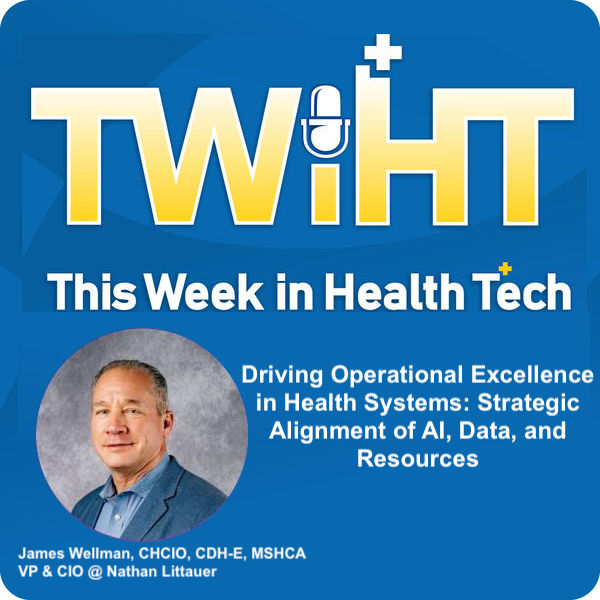
In today’s fast-evolving healthcare landscape, operational excellence is no longer a luxury—it’s a necessity. Health systems are increasingly challenged to balance the clinical demands of patient care with the operational needs of efficiency, cost-effectiveness, and data management. In the latest episode of This Week in Health Tech, Vik Patel, COO of Tido Inc., welcomed James Wellman, VP-CIO at Nathan Littauer Hospital and Nursing Home, to discuss how healthcare organizations can achieve operational excellence by leveraging the right combination of data, integration, AI, and resources.
Key Takeaways from the Podcast:
Healthcare organizations can drive operational efficiency through the strategic use of data and AI tools by:
- Establishing a Strong Data Governance Framework
The foundation of operational excellence lies in managing data properly. Establishing a clear framework with data ownership, standardized processes, and engaging subject matter experts is essential for the successful implementation of data initiatives across the organization. - Transitioning to Cloud-Based Data Architecture
Transitioning to a robust, cloud-based data architecture allows healthcare organizations to ensure data portability, interoperability, and security. This enables the seamless integration of data from various systems and departments, helping to improve operational efficiency. - Carefully Evaluating and Adopting AI/RPA Solutions
The adoption of AI and Robotic Process Automation (RPA) tools can help automate repetitive tasks and augment staffing needs. However, it's essential to evaluate these solutions carefully, keeping in mind the potential biases and limitations of AI models, ensuring that they meet the healthcare organization’s specific requirements. - Aligning Technology Strategy with Organizational Goals
Aligning technology investments with the overall goals of the healthcare organization is critical. Using data-driven decision-making to guide technology investments ensures that they align with the organization's mission, improving both operational and clinical outcomes. - Prioritizing Education and Communication
In order to drive the adoption of new technologies across the organization, education and communication are crucial. Ensuring that all stakeholders understand the importance of new initiatives and are involved in the process will increase the success of technology integration.
The Central Role of Data in Modern Healthcare
Healthcare organizations generate enormous amounts of data daily, from patient records to operational performance metrics. However, without the ability to effectively manage and interpret this data, much of its potential remains untapped. The episode emphasized that data is the foundation for innovation in healthcare, enabling organizations to make more informed decisions, predict patient outcomes, and optimize workflows.
One of the critical challenges raised during the podcast was the issue of fragmented data. Healthcare systems often struggle with data spread across multiple platforms and departments, which prevents them from obtaining a comprehensive view of their operations or patient data. This is where Tido’s integration solutions and AI-driven MIDR (Managed Integration Detection and Response) tools come into play. These tools are designed to break down data silos and streamline information flow across systems, allowing healthcare organizations to make better, data-driven decisions.
Conclusion
As healthcare organizations strive to enhance their operations and patient care, the podcast with Vik Patel and James Wellman offers valuable insights into the importance of data, AI, and integrated solutions in achieving operational excellence. By focusing on data governance, cloud-based architectures, AI adoption, and aligning technology strategy with organizational goals, healthcare systems can improve efficiency, reduce costs, and ultimately enhance patient outcomes.
Listen to the full episode to explore these topics in-depth and gain practical insights into improving operational excellence in healthcare.