
Conference, Integration, AI, Automation, Healthcare, Austin
What Future of Care Spaces Revealed About the Next Era of Healthcare
May 28, 2026
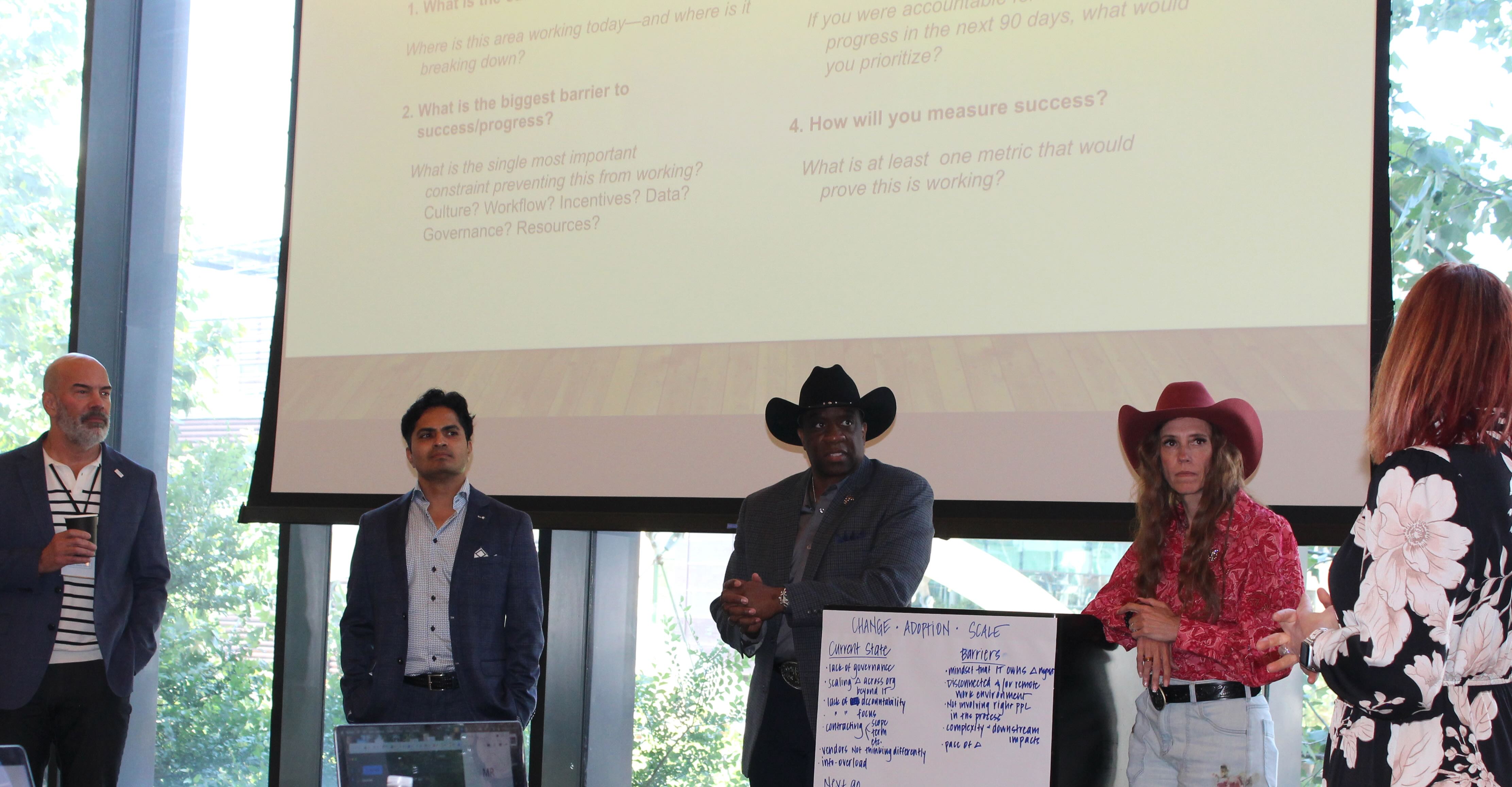
Reflecting on Future of Care Spaces, Austin Edition, May 2026:
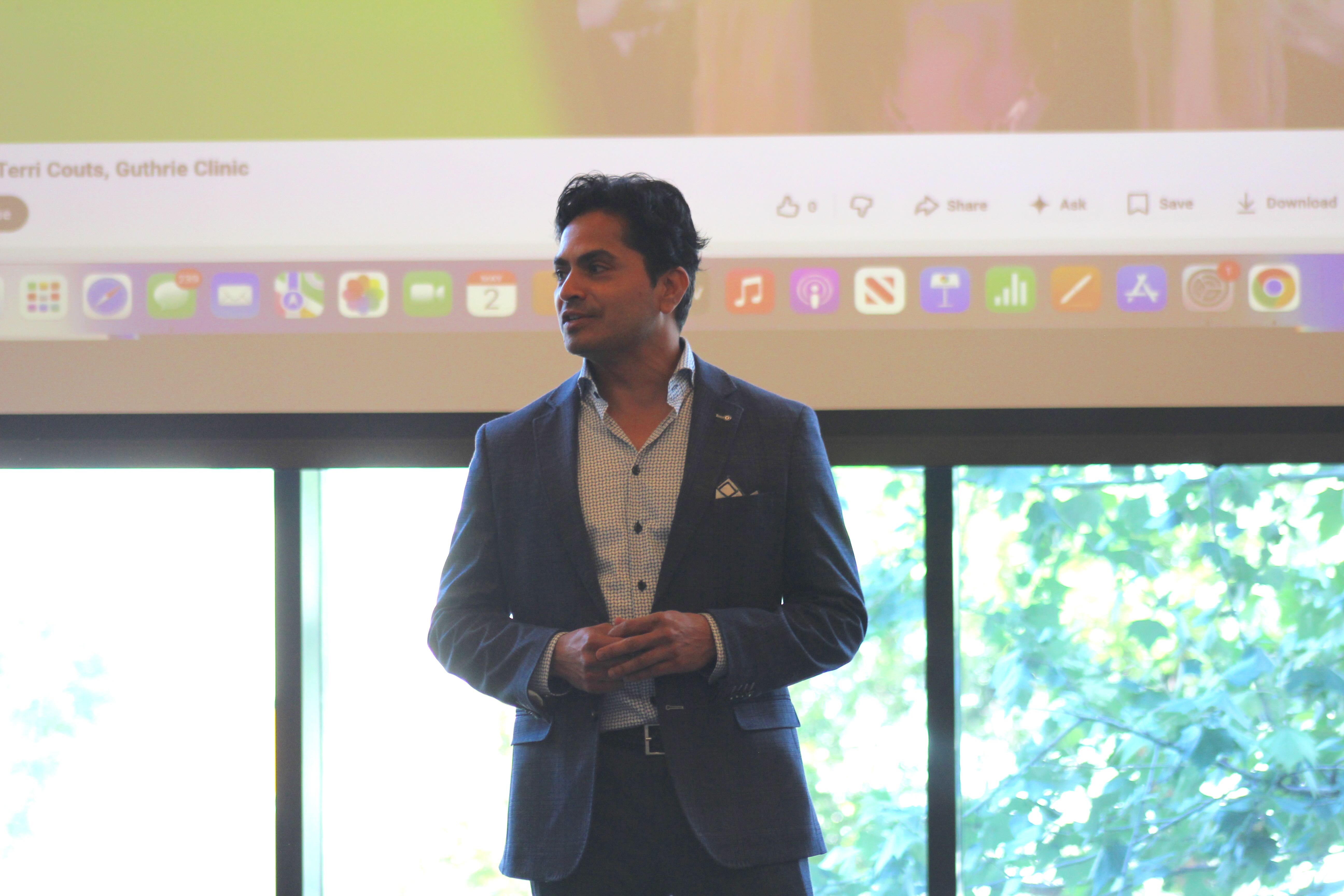
What stood out most wasn’t the technology itself. It was the honesty in the room.
Healthcare leaders came together willing to talk openly about what’s actually working, where organizations are struggling to scale, and the operational realities behind innovation. The discussions weren’t about chasing trends. They were about building sustainable models that improve care delivery while supporting clinicians, operations, and long-term organizational resilience.
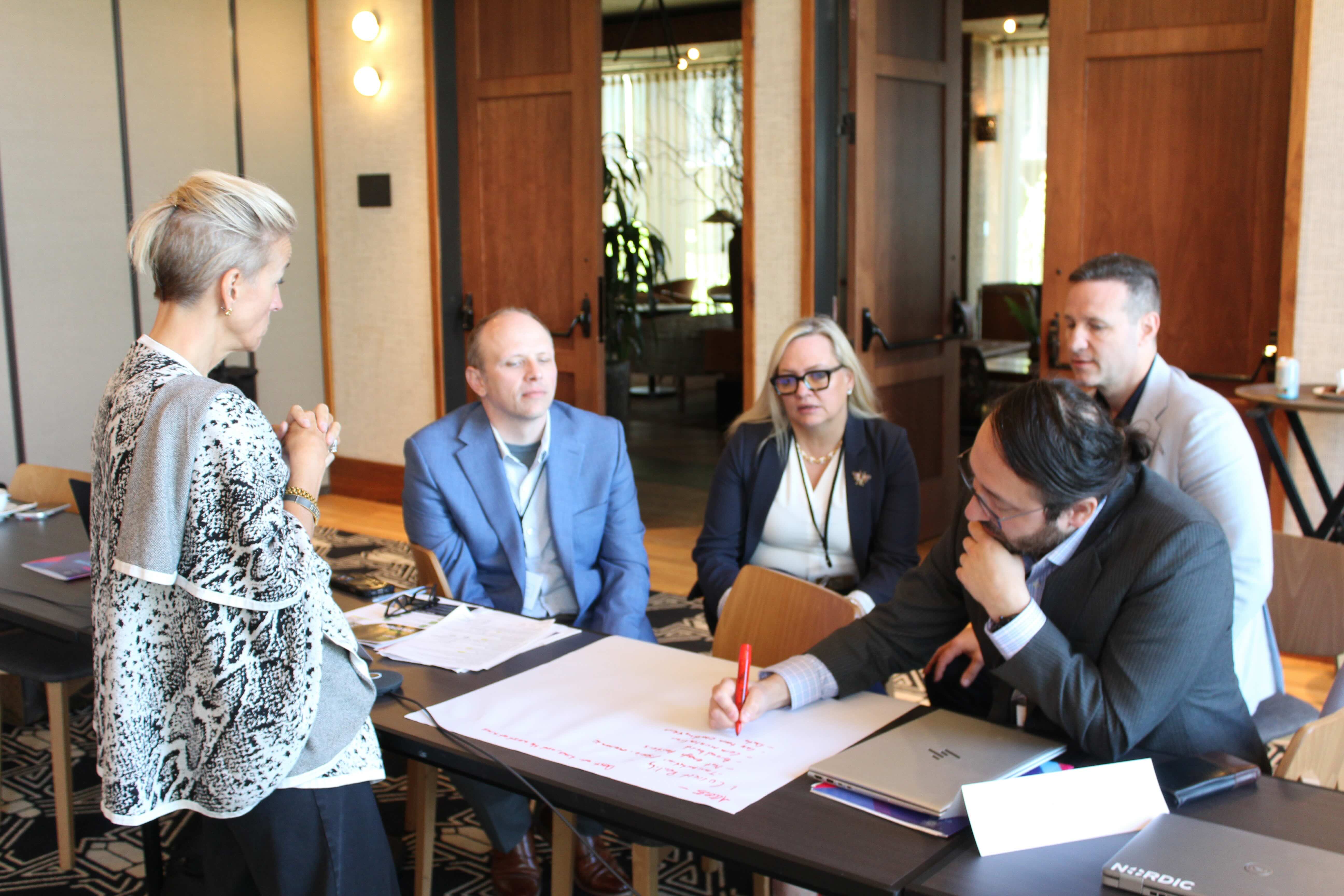
A few themes that continue to resonate with our team at Tido:
• Care spaces must remain human-centered. Technology should strengthen trust, safety, workflow, and patient experience — not compete with them. The best solutions felt almost invisible because they enabled clinicians instead of interrupting them.
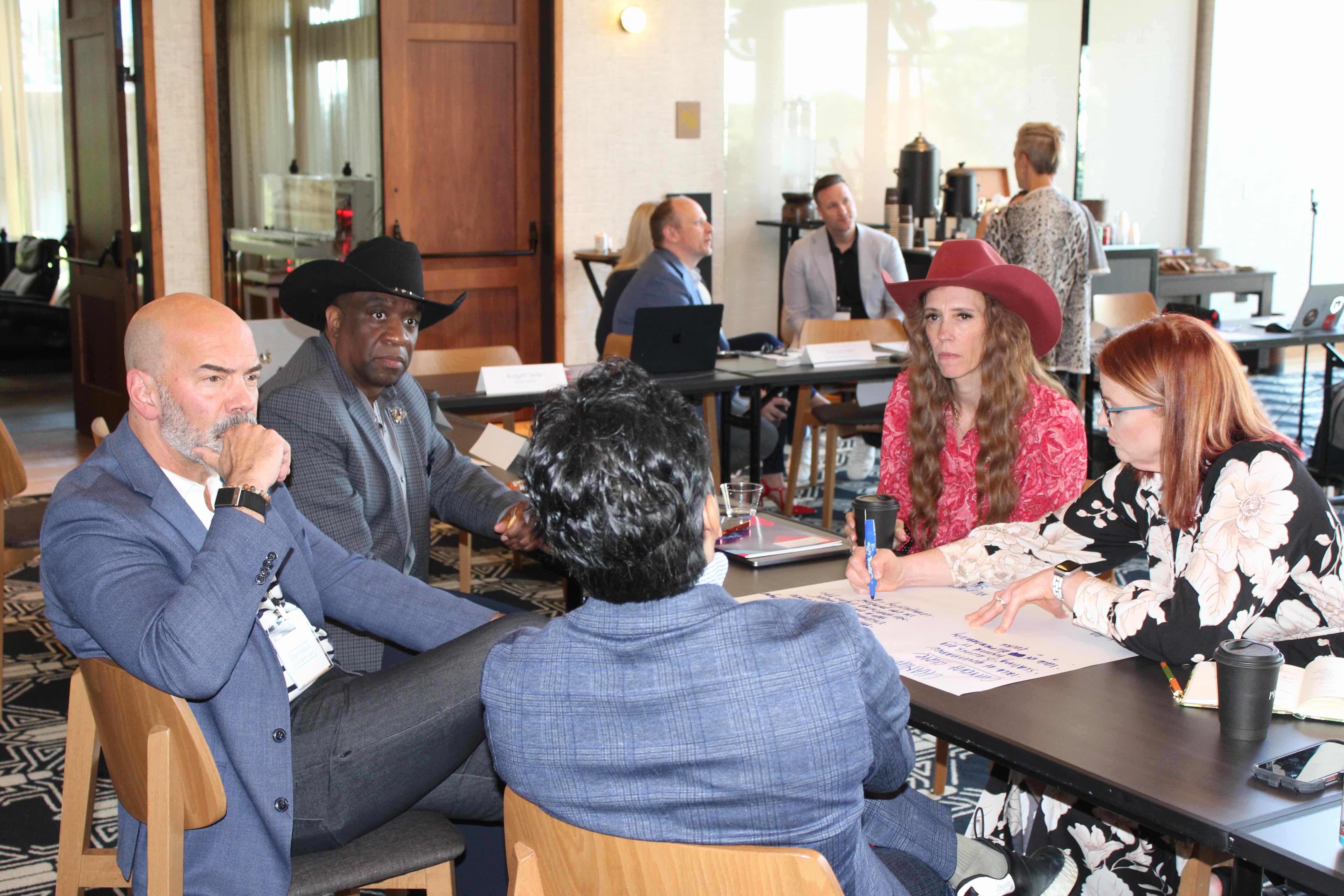
• Innovation has to connect to measurable outcomes. Length of stay, operational efficiency, revenue protection, staff capacity, agility, and risk reduction all came up repeatedly. Health systems are no longer investing in innovation for innovation’s sake. Leaders want measurable operational impact.
• Adoption remains the defining challenge. Successful transformation depends far more on workflow alignment, clinician engagement, and change management than on the technology itself. The organizations seeing success are treating operational redesign as seriously as the implementation.
• Virtual care is evolving into an operational model. Conversations around hybrid care pathways, command centers, staffing redesign, and distributed care delivery made it clear that virtual care is becoming embedded into how healthcare organizations operate moving forward.
• Data credibility matters more than ever. AI, analytics, and automation are only as strong as the operational data foundation beneath them. Governance, attribution, baselines, integration reliability, and trusted workflows are becoming prerequisites for scaling innovation responsibly.
• Agentic AI is moving quickly — but governance must move first. Some of the most valuable discussions focused on risk-tiered governance, human-in-the-loop oversight, and identifying practical low-risk, high-impact use cases where AI can immediately support healthcare teams.
At Tido, many of these conversations strongly aligned with what we see every day across integration operations, workflow automation, data modernization, and AI readiness initiatives with health systems.
Healthcare organizations are navigating increasingly complex ecosystems: thousands of workflows, evolving applications and APIs, growing operational expectations, and limited internal bandwidth. The organizations that succeed will not simply implement more technology. They will build operational models that create visibility, resilience, governance, and trust across the entire care ecosystem.
A sincere thank you to Rachel Weissberg, Michelle Rosener, and the entire Future of Care Spaces community for creating an environment where healthcare leaders could speak candidly, challenge assumptions, and collaboratively explore what the future of care delivery should look like.
Looking forward to the upcoming white paper and continuing the conversation.
#FutureOfCare #HealthcareInnovation #DigitalTransformation #AI #HealthcareAI #Data #Analytics #WorkflowAutomation #OperationalExcellence #VirtualCare #HealthcareIT